


Legal Tint in Texas: What You Need to Know
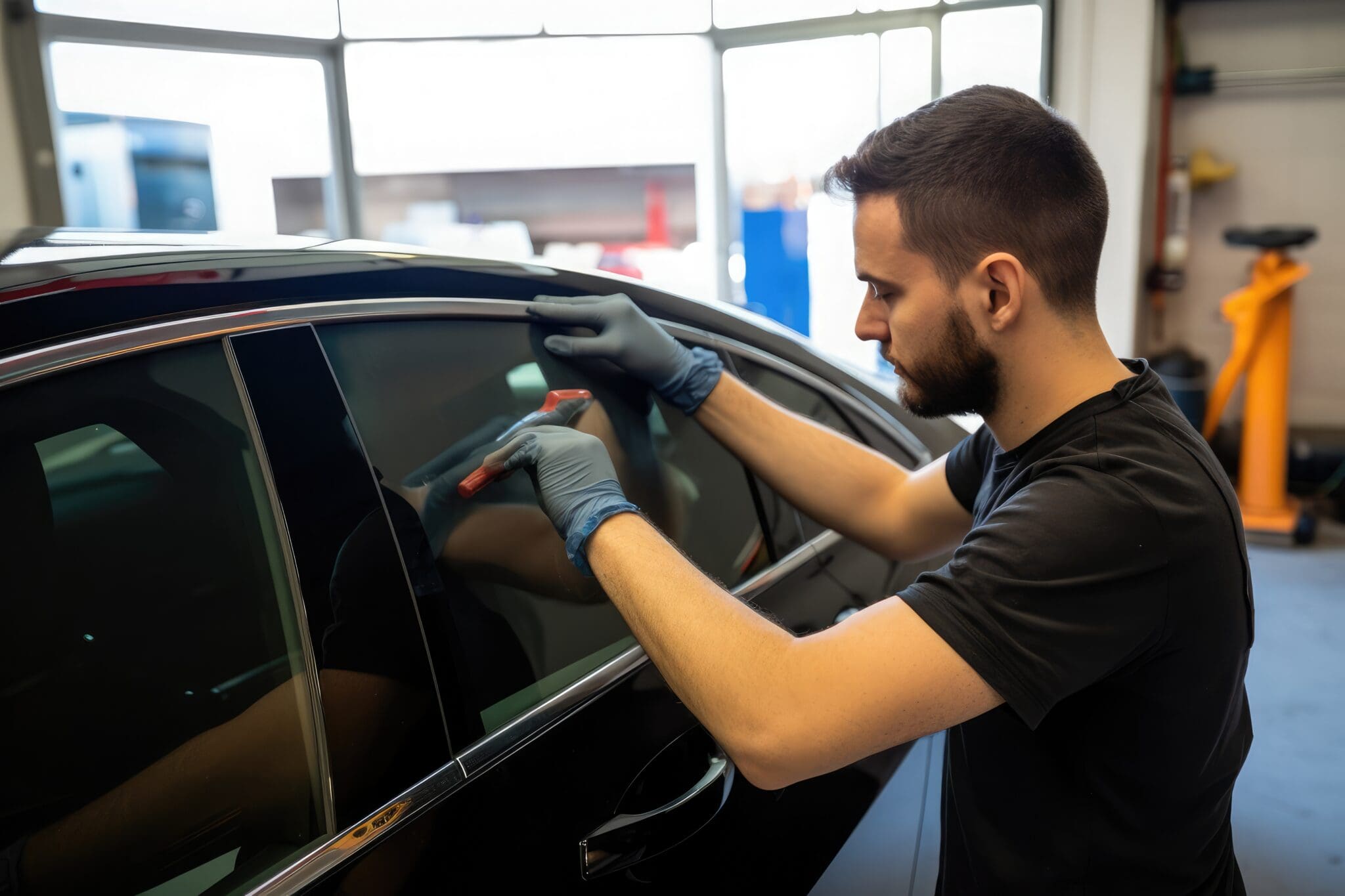
Window tinting is a popular modification among Texas drivers. It helps reduce glare, lower interior temperatures, and increase privacy. However, Texas has specific laws regulating how dark and reflective window tint can be. Failing to comply can lead to traffic stops, fines, failed inspections, or complications after a crash.
Whether you are considering tinting your vehicle or want to confirm that your current tint complies with Texas law, this guide explains what you need to know.
Why Texas Regulates Window Tint
Window tint directly affects driver visibility and roadway safety. Excessively dark or reflective tint can reduce visibility, particularly at night. It can also prevent law enforcement officers from seeing inside a vehicle during traffic stops, which raises safety concerns.
To balance driver comfort with public safety, Texas sets limits on how much light must pass through certain vehicle windows.
Understanding Visible Light Transmission (VLT)
Texas tint laws are based on Visible Light Transmission (VLT) — the percentage of light allowed to pass through a window.
- A higher VLT percentage means lighter tint.
- A lower VLT percentage means darker tint.
For example, 25% VLT means that 25% of outside light passes through the window, while 75% is blocked.
This measurement is the standard used to determine whether your tint complies with Texas law.
Legal Tint Limits in Texas
Texas window tint laws vary depending on the location of the window.
Front Side Windows
Front side windows must allow at least 25% of light to pass through. Tint darker than 25% VLT is not permitted.
Back Side and Rear Windows
Back side windows and the rear window may be tinted to any level of darkness.
Windshield
Only non-reflective tint above the manufacturer’s AS-1 line is permitted on the windshield. Tint below that line is not allowed unless it was installed by the vehicle manufacturer.
Reflectivity
Tint may not be more reflective than standard factory glass. Highly mirrored or metallic finishes are not permitted.
Medical Exemptions
Texas allows medical exemptions for individuals with qualifying health conditions that require additional protection from sunlight.
To qualify, drivers must:
- Obtain a signed statement from a licensed physician
- Keep the documentation inside the vehicle
- Present the exemption if requested by law enforcement
An exemption does not remove all restrictions but may allow darker tint within certain limits.
How Tint Laws Are Enforced in Texas
Law enforcement officers may stop a vehicle if they reasonably suspect that the window tint violates state regulations. During a traffic stop, an officer may visually inspect the windows and, if necessary, use a Visible Light Transmission (VLT) meter.
This device measures how much light passes through the glass and provides an objective determination of compliance.
If your tint does not meet legal requirements, you may receive a citation or corrective notice.
Fines and Legal Consequences for Illegal Tint
Violating Texas tint laws can result in monetary penalties and additional legal obligations. While specific fines may vary by jurisdiction, common consequences include:
- First Offense: A fine typically ranging from approximately $100 to $200.
- Repeat Violations: Higher fines may apply if a driver continues to operate a vehicle with non-compliant tint after being cited.
- Corrective (“Fix-It”) Notices: In some cases, officers may issue a warning requiring you to remove or replace the illegal tint within a specified timeframe. Failure to comply may result in additional penalties.
Repeated violations can create unnecessary financial and legal complications.
Can Illegal Tint Cause a Failed Vehicle Inspection?
Yes. Texas vehicles must pass periodic safety inspections. During inspection, window tint may be checked for compliance.
If your front side windows fail to meet the 25% VLT requirement, or if your windshield tint violates regulations, your vehicle may fail inspection. A failed inspection can prevent registration renewal until the issue is corrected.
To bring your vehicle into compliance, you may need to:
- Remove the illegal tint
- Replace it with compliant tint
- Provide valid documentation for an approved medical exemption
Until the issue is corrected, your vehicle may remain out of compliance with state requirements.
How to Check Whether Your Tint Is Legal
If you are unsure whether your tint meets Texas standards:
- A professional tint shop can measure VLT using a tint meter
- Inspection stations may identify non-compliant tint
- Keeping installation receipts or certification paperwork in your vehicle may be helpful
Choosing tint that comfortably meets legal limits can help avoid unnecessary issues.
Staying Compliant to Avoid Legal and Insurance Complications
Window tint can improve comfort and reduce glare, especially in the Texas heat. However, staying within legal limits helps you avoid traffic citations, inspection failures, and potential scrutiny after a traffic stop or accident.
If illegal tint becomes part of a dispute following a crash, it could be examined as a possible contributing factor, particularly in visibility-related claims.
If you have legal questions after a traffic stop or collision, Thomas J. Henry Law can help you understand your rights and options under Texas law.
Blog